Unifying the SaaS experience at Magalu
Experience direction, tokens, and a contribution model to accelerate delivery across multiple verticals, with shared standards and platform scale.
Year
2021-2022
Platform
Web/React
Role
Design Lead
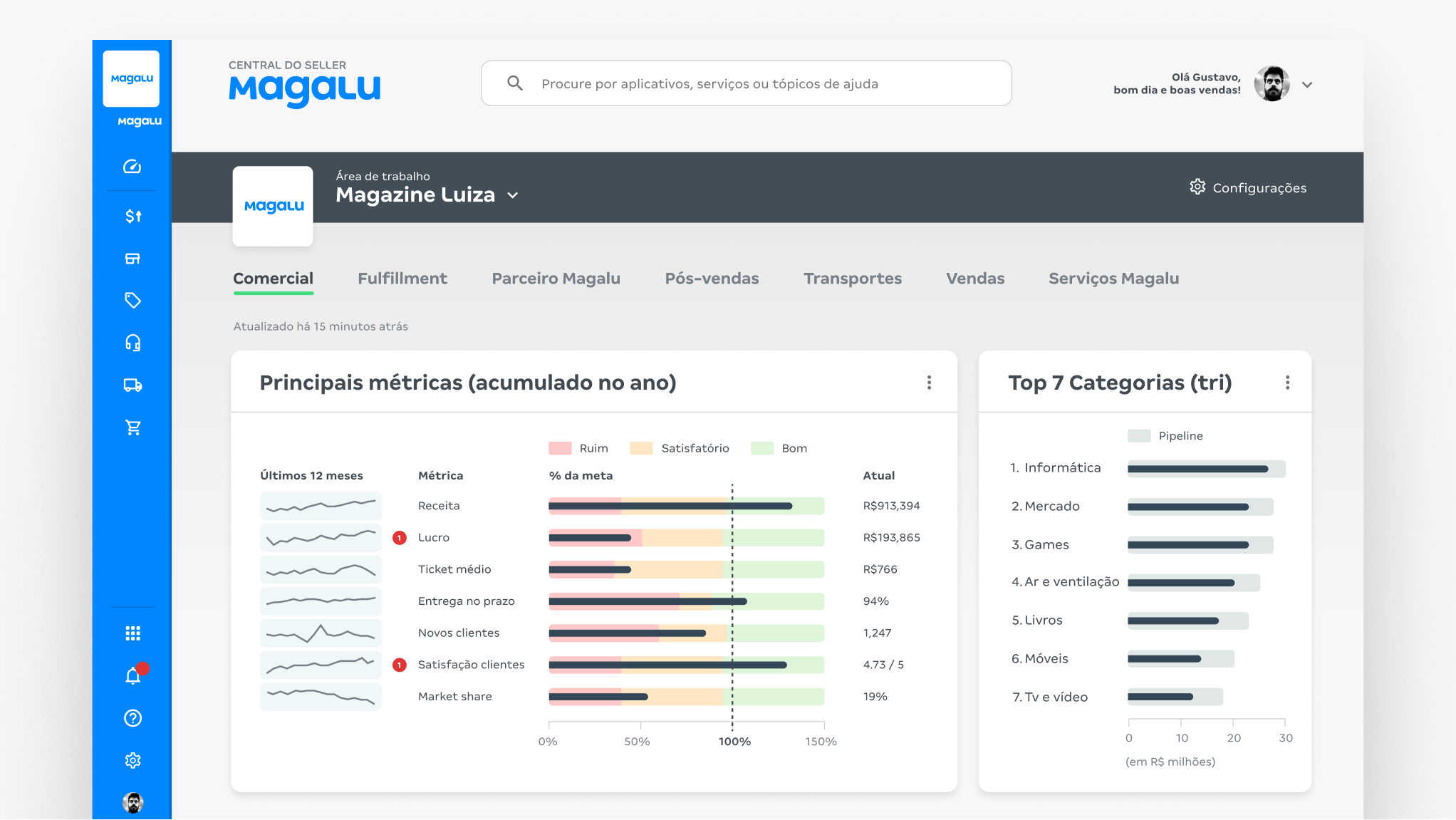
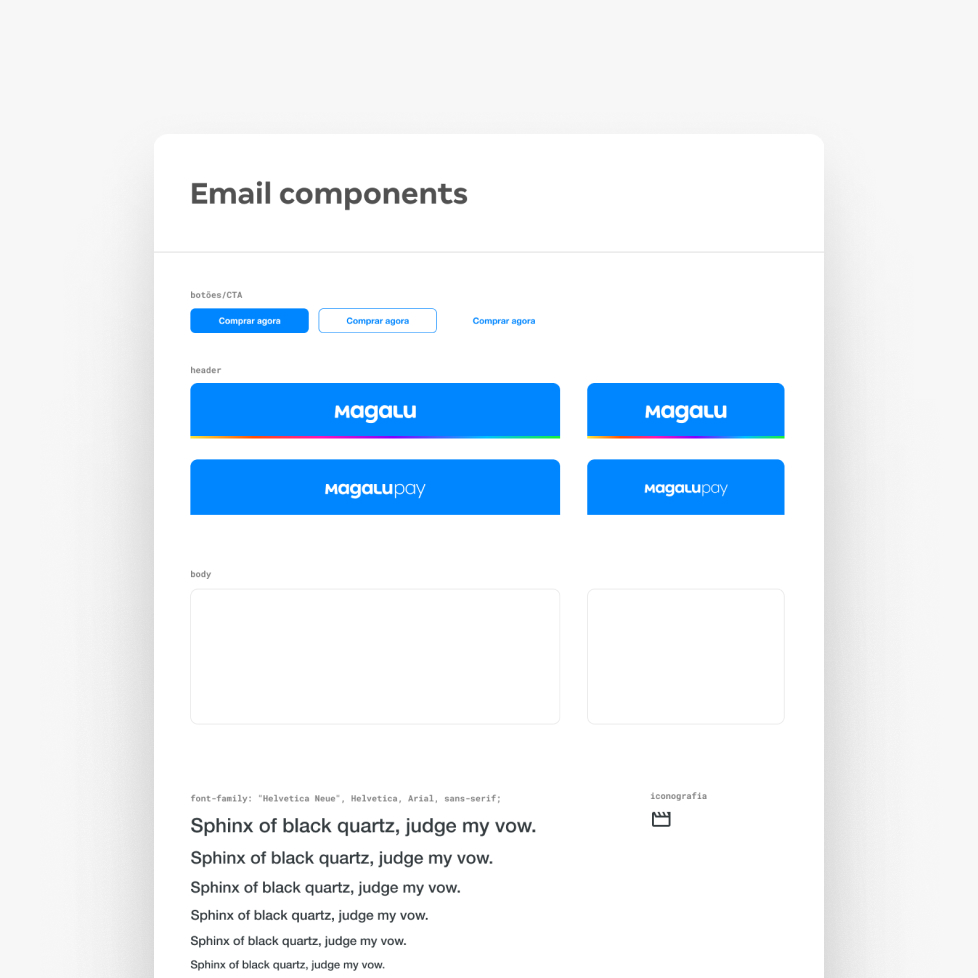
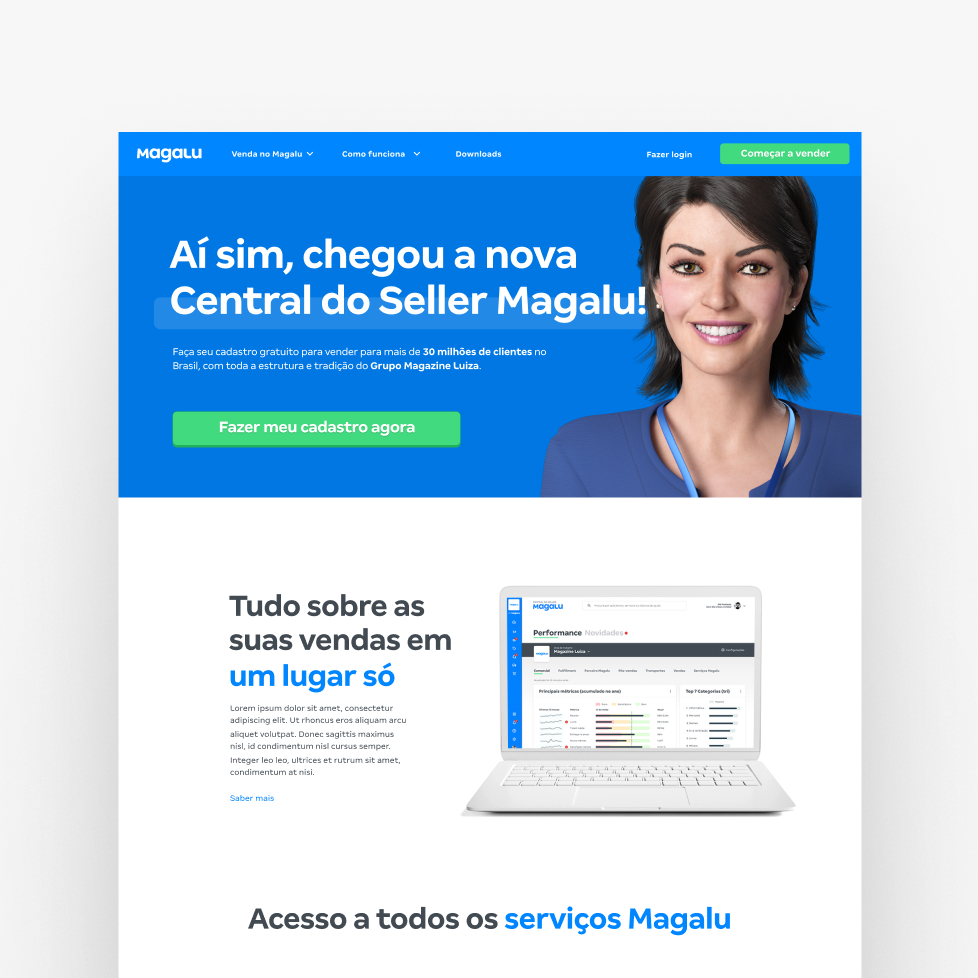
Platform concept used to create the design system
Challenge
Magalu was starting a new SaaS platform, but its app ecosystem carried inconsistencies in visual language, architecture, and experience. The challenge was to build a design system capable of sustaining early deliveries with quality while aligning Product, Design, and Engineering around the platform’s future vision.
The “How”
We started with the basics: a clear product direction. In direct collaboration with the Sellers vertical, we quickly defined an experience concept, the “look & feel,” and the platform’s expected behavior, which became the foundation for scaling the system.
Impact
Consolidated vision across teams
We aligned stakeholders and teams around a single platform vision, its “look & feel,” and expected behaviors, which became the reference for UI decisions from the first deliveries.
Documentation as a foundation
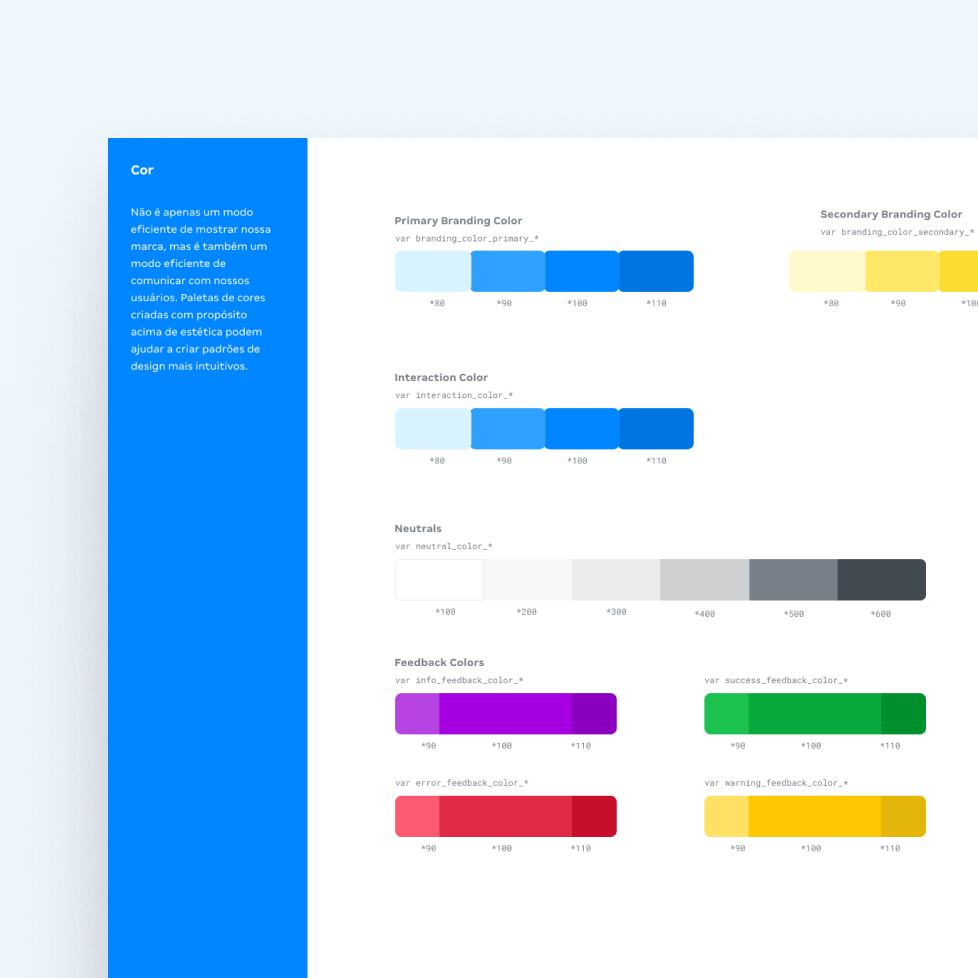
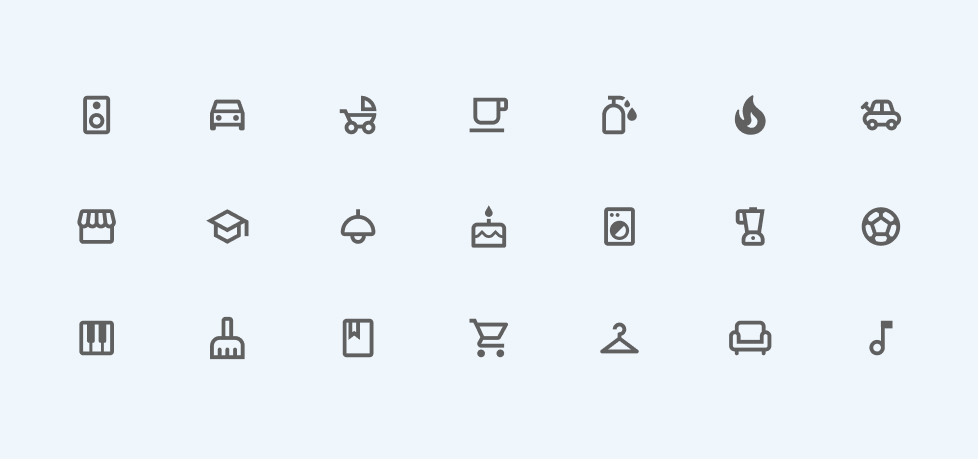
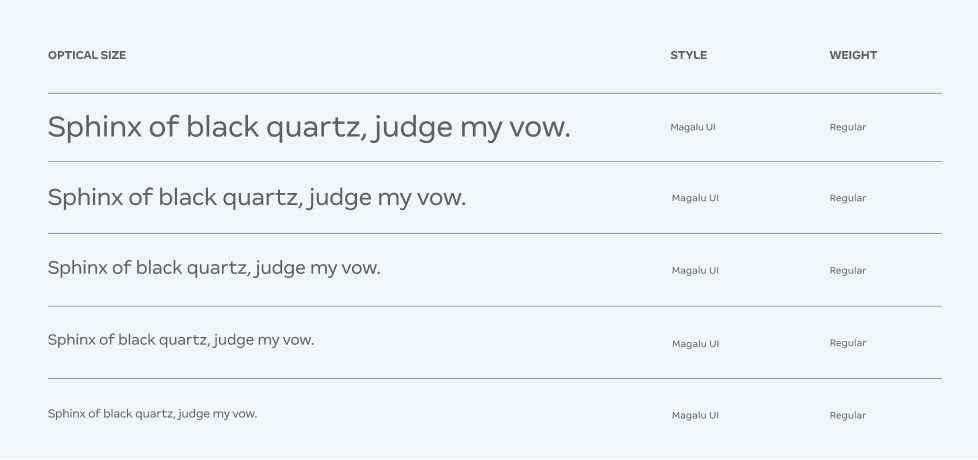
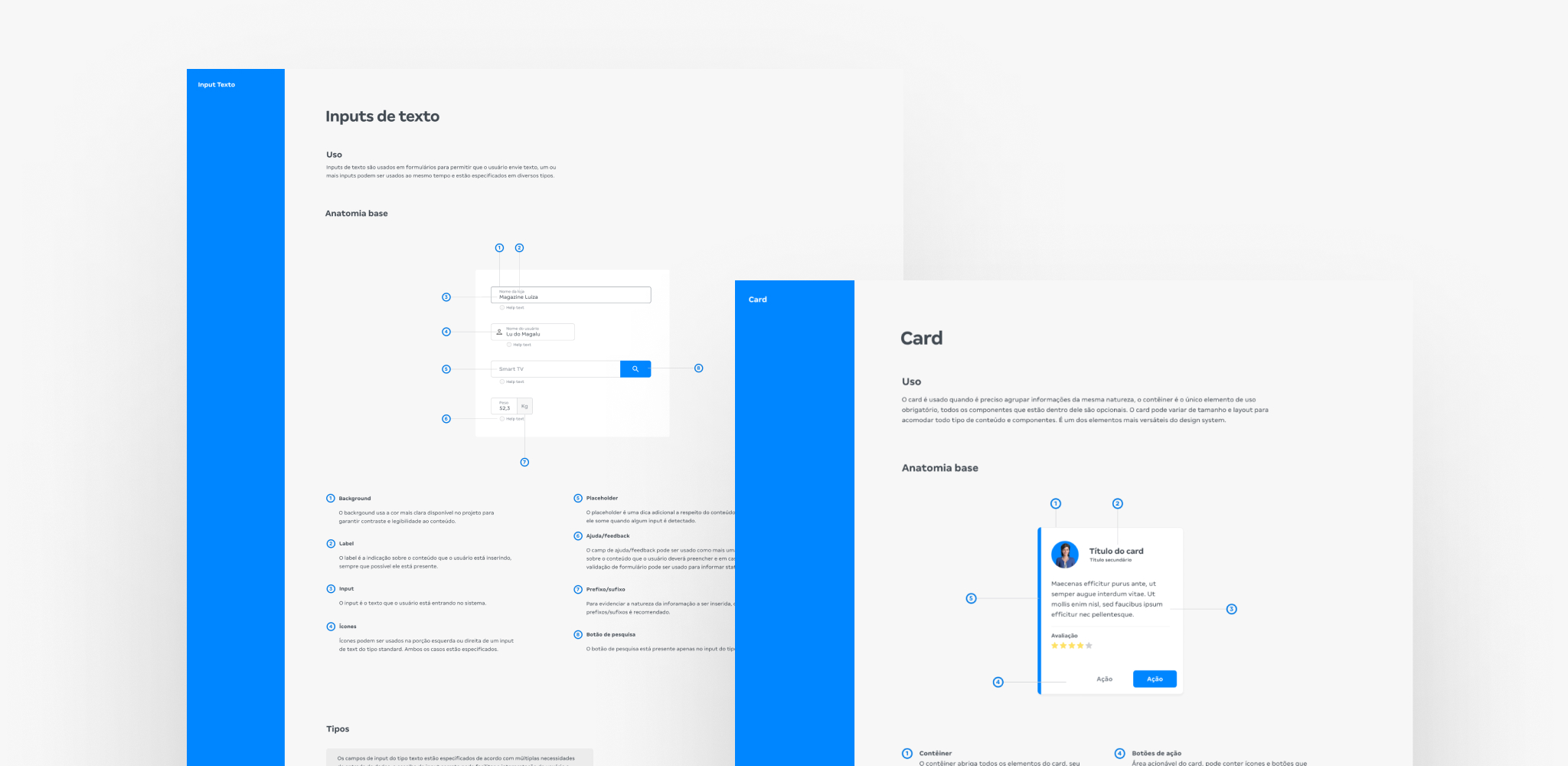
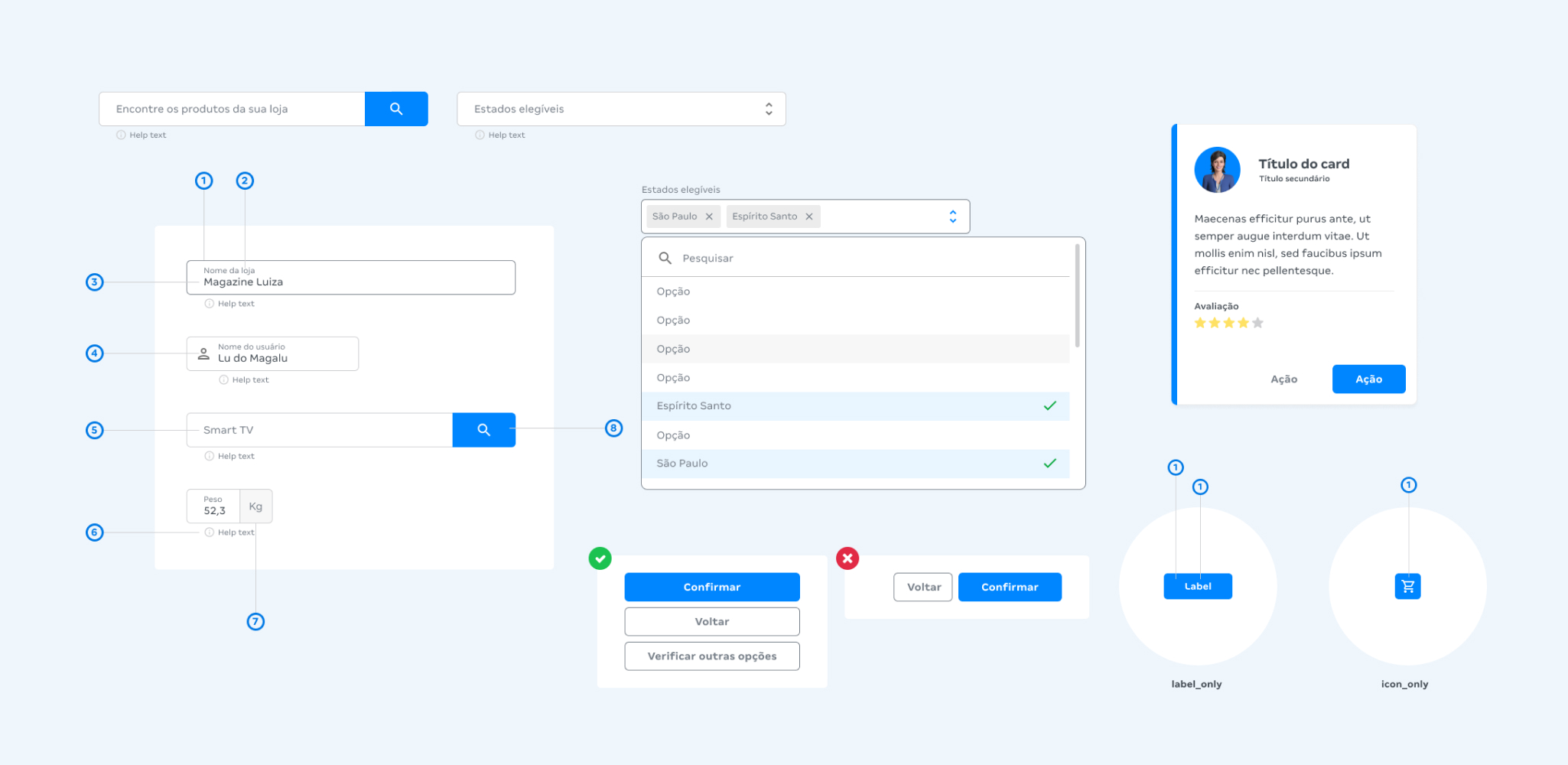
We delivered foundations and documentation that were direct and easy to consult: rules, states, and decisions. This made the system ready to scale components with consistency early in the product.
Continuous evolution
With decentralized governance, the design system never “froze”; it evolved continuously with teams, preserving consistency and speed.
Faster pace
The design system let teams focus on delivering product value while the system evolved to meet UI needs.